
Remembering
Putting your money where your mouth is

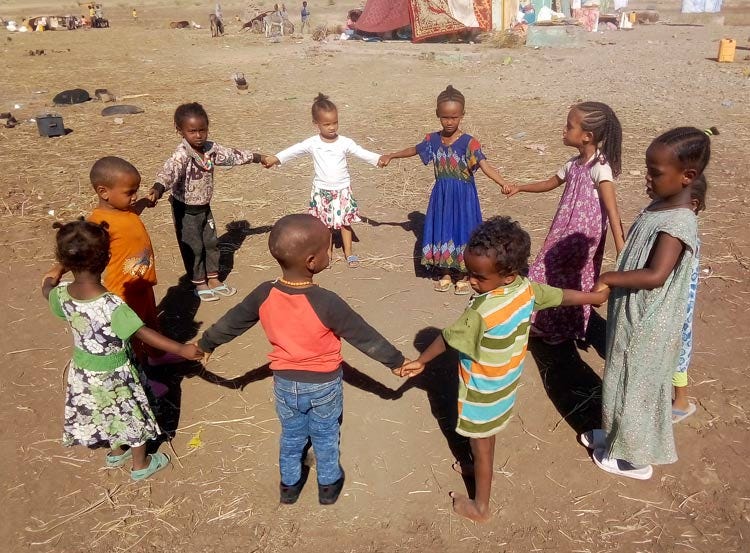
Depending on where you get your information, there are seven to ten wars/major armed conflicts happening right now around the globe, some for many years. These numbers do not include the many internal conflicts or regional disputes.
Ten wars destroying lives, human and non-human, as well as natural resources for generations. People in distress for reasons ultimately seeming to revolve around money and/or power.
Today I could not stop myself thinking about the children affected by war and the land ravaged by it. Children no doubt terrified by falling bombs, armed neighbors and strangers, the sounds of gunfire and aircraft, not to mention other atrocities they witness that the adults in their lives cannot shield them from. I thought too about the air they must breathe, the rumble they must traverse, the trees they will never see again, the absent animals and flowers, the schools and homes no can longer go to.
I am not a political or an environmental writer. I am, however, someone who often feels abandoned by a goodness I believe exists in my species. Someone who keenly feels the absence of human compassion on most days, especially as of late.
I used to think that the horrors of history would have been otherwise if more people had known about what was going on; thought that they would have ended sooner had others, good people, been able to see the damage being done to humans in different lands. I no longer believe that to be true.
I have known of many instances of tremendous violence occurring around the globe, if only vaguely, and read about so much more in history books. (Human history is not lean on terror.) Reading, however, is clearly a different experience than viewing on a screen, which we started to do with the Vietnam war. Prior to Vietnam, people became aware of wars after the fact, usually from newspapers or radio. It was delayed and mediated, predigested in a manner of speaking, and more of a shared experience due to the limited number of media outlets—we all mostly saw or read the same information, for better or worse.
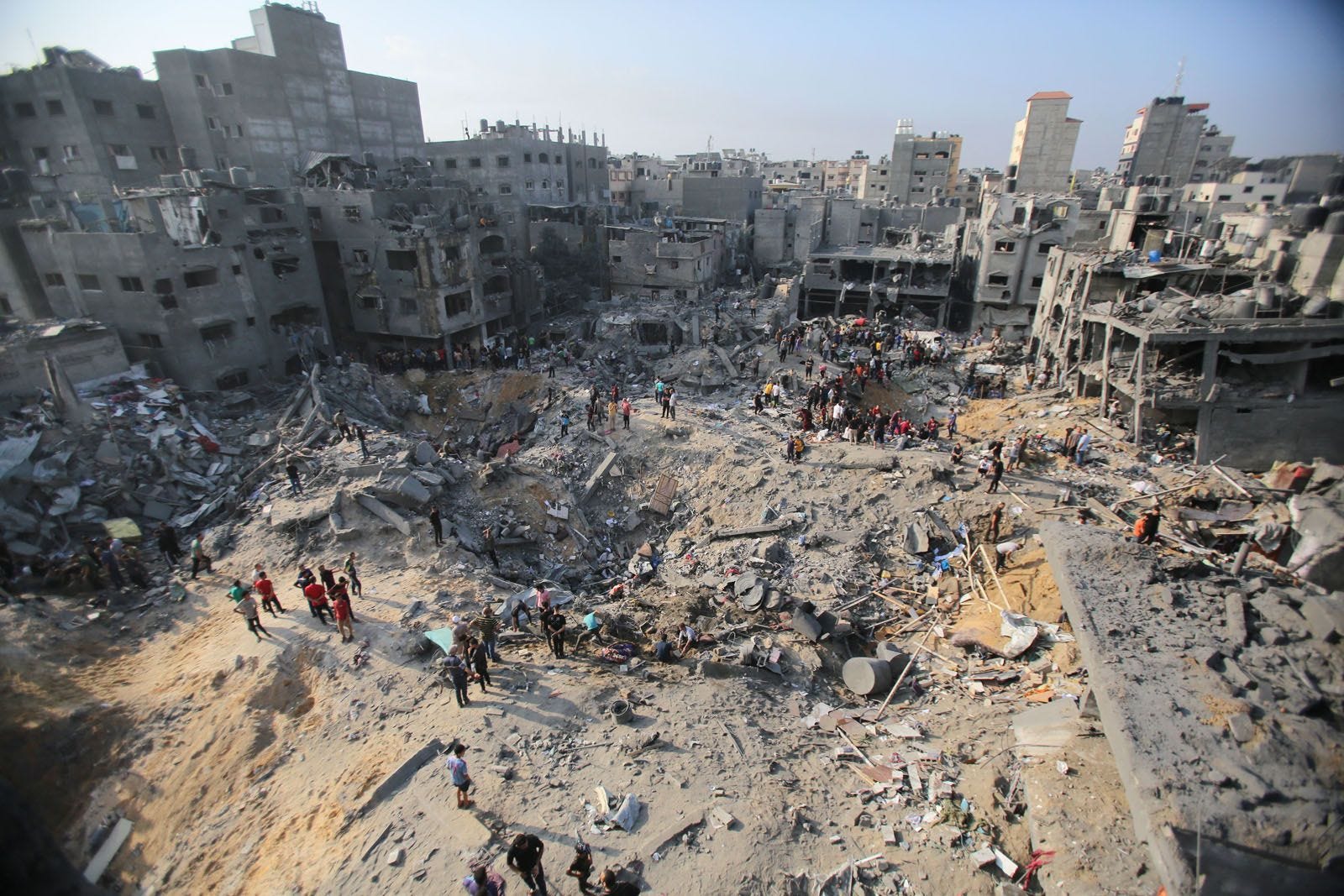
Since the rise of the internet and then social media, our experience of global atrocities happens in real time, it is immediate. The world we created in the internet, and more specifically with social media, has made it possible for all of us to see these things more readily than ever before. The Israel-Hamas war is the first true war of the internet/social media era. The latter changed the fundamental way most people interact with human suffering. And while people did act to change things for the better, the atrocities of that war continue, in full view for all to see.
While there could be an argument made for an excuse because other wars receive less far-reaching coverage in this country, the children of the Sudan, Ethiopia, Ukraine, Myanmar, Russia, Yemen, Syria, Qatar, Iraq, like those in Palestine, Lebanon, and Israel are still at risk. As are the lands being contaminated by bullets, bombs, and blood.
What if wars were contingent on the good of the most vulnerable rather than those seeking dominance? What if those in charge were stewards and guardians, adults who asked, “What is best for the children?” “How do we work in unison with the natural world?”
The world is not ours. It belongs to the future. Tomorrow’s Earth and its children. Perhaps those in power could do well to remember this. Children and the Earth need more investment than we are providing. Certainly more than large language models (aka AI) or fights to control who gets to deplete the planet the fastest of its resources.
If you want to support this publication, Buy Me A Coffee
"I used to think that the horrors of history would have been otherwise if more people had known about what was going on."
Me too. I've found it interesting to learn about history on my own, outside of a structured school curriculum created by a colonial government. what I've learned is 1) people in the past were often well aware of the horrors. 2) Apathy has long been part of the human condition. 3) Resistance has also always been there since the very beginning (learning about Indigenous folks making satire about colonizers from the earliest days of encountering them was a revelation).
I've also been thinking that during both WWI and WWII, they were not being called World Wars. They were The Great Wars. And so here we are, in WWIII. It is surreal given the way that government curriculum sure emphasised "never again" so much.